
By Gaurav Sharma | Founder & Lead Writer
Last Updated: October, 2026
The daily habits of fulfilled seniors are rarely dramatic. Ask ten people over sixty what a good life looks like, and you will hear ten different answers. One talks about her garden. Another talks about grandchildren who call every Sunday. A third simply says, “I wake up and I have somewhere to be.” Researchers have been asking the same question for decades, and the answers are simpler than most people expect. None of them needs a big budget. Here are six everyday habits that keep showing up among older adults who feel fulfilled.
If you are looking for practical home routines instead, such as hydration, safety and sleep, read our guide on daily routines for seniors to stay independent at home.
1. They Treat Relationships Like a Daily Practice
The Harvard Study of Adult Development began in 1938. It first followed 724 men: 268 Harvard graduates and 456 men who grew up in Boston neighborhoods. Later it grew to include 1,300 descendants of the original participants. pressreadersiliconcanals
Its biggest finding surprised even the researchers. People who were most satisfied in their relationships at age 50 were the healthiest at age 80. Reports on the study also say that satisfaction with relationships in midlife predicted healthy aging better than genetics or having long-lived ancestors. artfulparentbrewminate
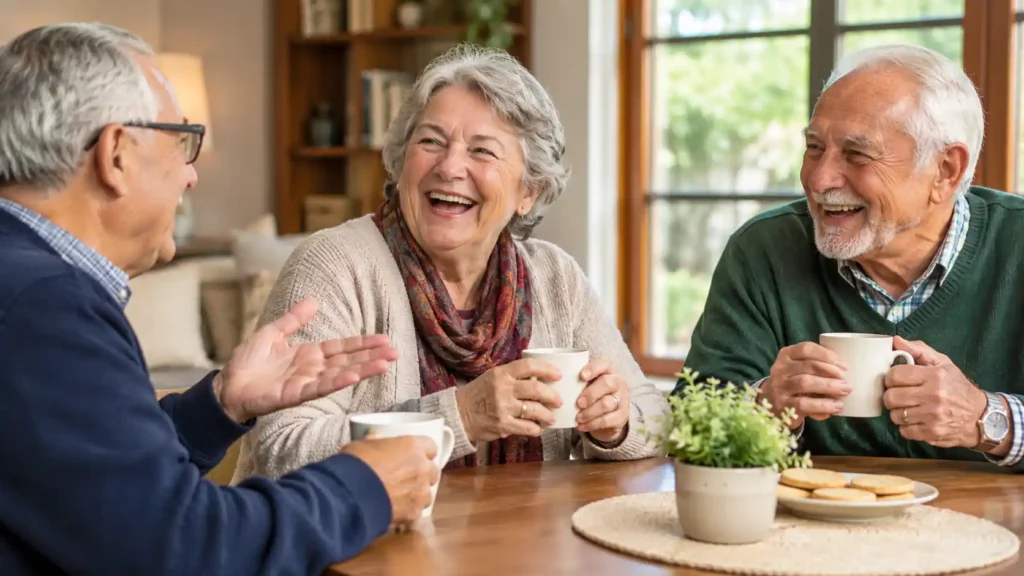
Fulfilled seniors seem to know this already. They call an old friend. They sit with a neighbour over tea. They show up, even when it is inconvenient.
Try this: Pick one person today and reach out. A five-minute call is enough. You do not need a birthday or a festival as an excuse.
2. They Have a Reason to Get Up in the Morning
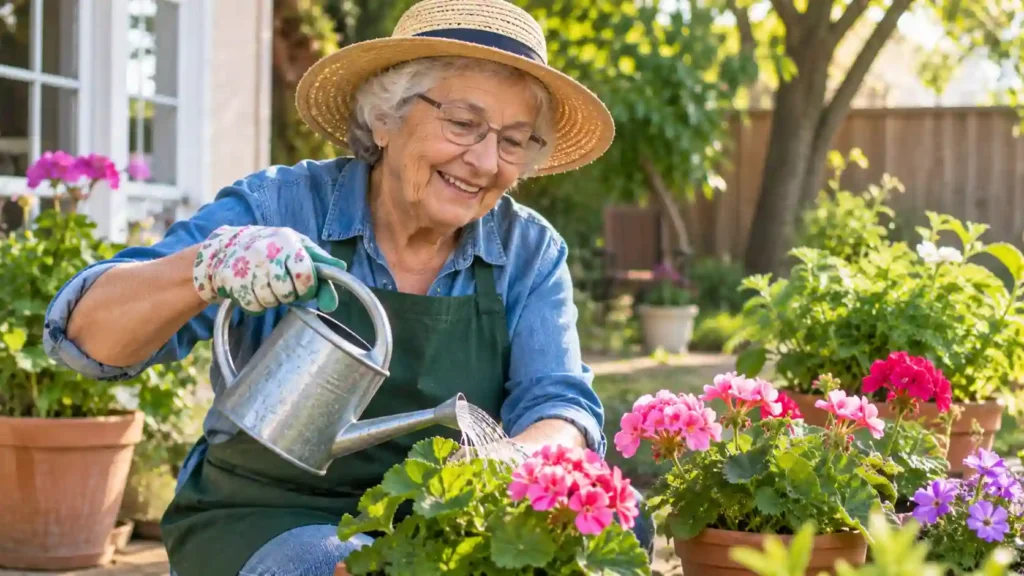
Researchers call this a “sense of purpose.” It does not have to be big. It can be a hobby, a role in the family, a small business, or a weekly commitment.
A study in JAMA Network Open looked at 6,985 adults over 50. People with the lowest purpose scores had a higher risk of death during the follow-up period. The paper reports a hazard ratio of 2.43 for the lowest purpose group compared with the highest, which means roughly 2.4 times the risk. The link was seen for heart, circulatory and blood conditions, but not for cancer. By Linda Carroll +2
Please read this with care. This was an observational study, so it cannot prove that purpose directly causes lower death rates. The researchers also noted that serious illness could itself be lowering a person’s sense of purpose. So purpose is not a medicine. It is one healthy habit that goes along with a good life. harvardlivescience
Harvard Health lists some common sources of purpose: family, community, helping others, learning new skills, and hobbies. You can read more in their article, Will a purpose-driven life help you live longer? harvard
Try this: Write down one thing you are looking forward to this week. If the list is empty, that is useful to know. It is a good place to start.
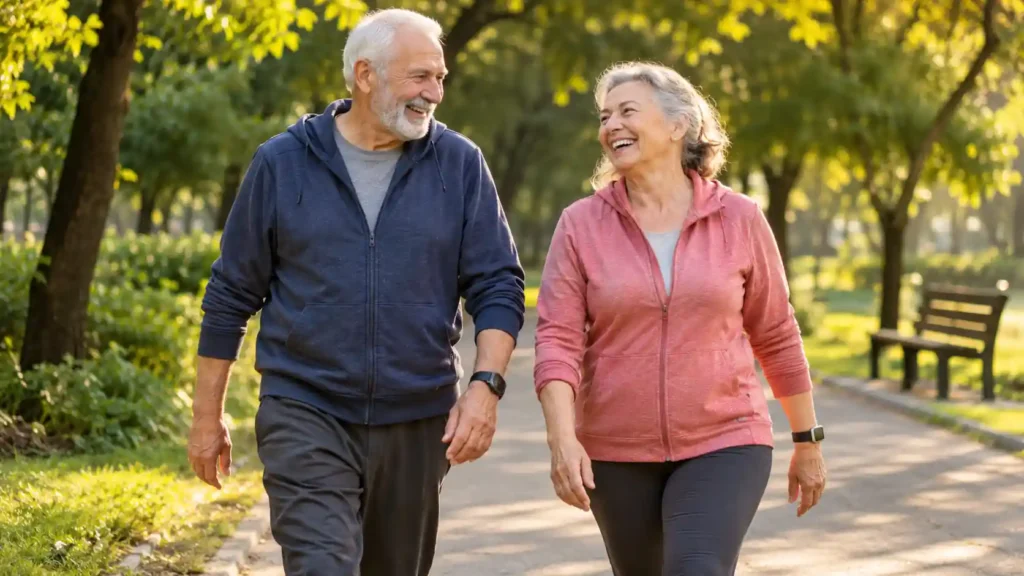
3. They Walk, and They Don’t Worry About the Number
You may have heard that 10,000 steps a day is the goal. That number came from an old marketing campaign for a Japanese pedometer, not from health research. unc
A large analysis in The Lancet Public Health combined 15 studies with 47,471 adults. For people 60 and older, the risk of early death levelled off at about 6,000 to 8,000 steps a day. The researchers also found no clear link with walking speed beyond the total number of steps. A slow, relaxed walk counts. You can read the full study here or the university’s summary. How Many Daily Walking Steps Needed for Longevity Benefit? +2
If you are mostly sitting right now, even a small increase is a good start. Comfortable footwear helps too, so see our guide to the best walking shoes for seniors with balance problems. If you want gentle exercises at home as well, try our 7 easy exercises for seniors.
Try this: A short walk after meals, or an evening walk with a friend. Check with your doctor first if you have a heart condition, joint pain or balance problems.
4. They Give Their Time to Others
Volunteering often comes up in purpose research. Researchers quoted in news reports on the JAMA study said that volunteering can have a positive effect on well-being, but it works best when it is regular, for example the same day every week. hmpgloballearningnetwork
It does not have to be formal. Teaching a skill to a young relative, helping at a temple, gurdwara or community kitchen, or guiding someone who is starting out in your old profession all count.
Try this: Pick one fixed slot each week and treat it like an appointment.
5. They Protect the Basics of Their Health
The Harvard researchers reported that to age well physically, the single most important thing was to avoid smoking. Their long-term findings also pointed to physical activity, avoiding alcohol abuse and smoking, and coping maturely with life’s ups and downs as protective factors. houstonisdbrewminate
Notice the last one. Fulfilled seniors are not people without problems. They have learned to handle problems without falling apart. They talk it out, take a walk, pray, write, or ask for help.
Small daily basics matter too. Our guides on staying hydrated, sleeping cooler at night and daily foot care can help.
Try this: Next time you feel stressed, name one healthy thing you will do about it, and do that first.
6. They Keep Learning Something New

Look at the active seniors around you. Many are picking something up: a phone skill, a language, a musical instrument, painting, a new recipe or gardening. As the Harvard Health list above shows, learning new skills is one of the common sources of purpose. It also brings you in contact with new people, which supports habits 1, 2 and 4 together.
Try this: Choose something you have always said “maybe someday” about, and give it 15 minutes today.
A Note for Families
If you are helping a parent or grandparent, you do not need to change their whole day. Encourage one habit that fits their personality. If their needs are growing, our guide on how to choose an in-home caregiver for seniors may help you plan.
Final Thoughts
Connection, purpose, movement, giving, sensible health choices and curiosity are all things you can begin at any age. The Harvard researchers say aging is a continuous process, and taking care of yourself earlier puts you on a better course. The best day to begin is today. brewminate
Pick just one habit this week. That is enough.
Sources
- Harvard Study of Adult Development, official website
- Alimujiang et al., “Association Between Life Purpose and Mortality Among US Adults Older Than 50 Years,” JAMA Network Open, 2019
- Paluch et al., “Daily steps and all-cause mortality: a meta-analysis of 15 international cohorts,” The Lancet Public Health, 2022
- UMass Amherst: Meta-analysis of 15 studies on daily steps and longevity
- Harvard Health: Will a purpose-driven life help you live longer?
Disclaimer: This article is for general education only and is not medical advice. Research findings describe patterns in groups of people and do not guarantee results for any one person. Please talk with a qualified healthcare provider before changing your exercise routine or health habits.



Gaurav Sharma is the founder and lead writer of After60Guide. He writes practical, source-cited guides on movement, nutrition, home safety, and everyday living after 60. He is not a doctor, physical therapist, or financial adviser. Health and money articles are general education, checked against official public sources where relevant — not personal advice. Corrections: contact@after60guide.com