
Written By Gaurav Sharma
Educational guide referencing public sleep hygiene guidance from the National Institute on Aging (NIA), the National Sleep Foundation, and the CDC | Last updated: August 2026
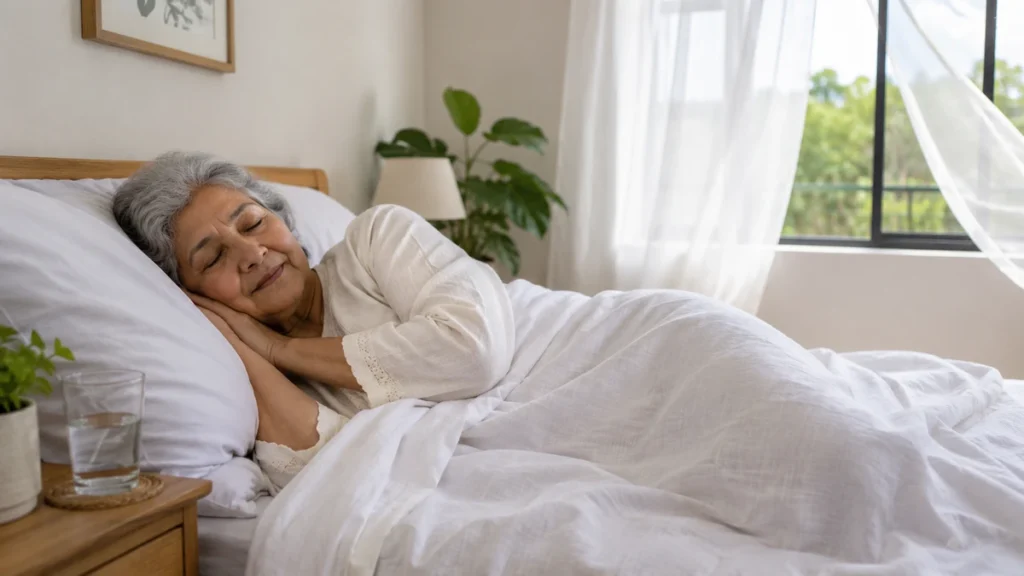
Waking up in the middle of the night feeling overheated, sweaty, or restless is a common and frustrating experience for many older adults. A warm bedroom or heat-trapping bedding can turn what should be a restful night into hours of tossing and turning, leaving you fatigued and unrefreshed the next morning. Learning how to sleep cooler at night for seniors is one of the most practical ways to support uninterrupted, restful sleep. As our daily routines, home setups, and individual preferences change over time, creating a comfortable sleep environment becomes especially important as we get older.
Staying comfortable overnight does not require complicated gadgets or major lifestyle overhauls. A few targeted adjustments to your bedding materials, room airflow, and evening habits can create a soothing, temperature-neutral sleep space.
Here is a practical guide on how to keep your bedroom comfortable, manage nighttime warmth, and enjoy consistent, restful sleep.
Table of Contents
Why Bedroom Comfort Matters
Our bodies follow a natural daily rhythm that signals us to rest as evening approaches. However, everyday bedroom factors can alter how warm you feel under the covers:
- Bedding Heat Traps: Synthetic blankets, polyester sheets, and traditional dense foam tend to hold warmth close to the body rather than allowing air to circulate freely.
- Evening Routines: Eating heavy dinners late in the evening or having hot beverages right before lying down can keep your body feeling warm during initial sleep hours.
- Changes in Sleep Continuity: Older adults often wake up more easily during the night, which means feeling slightly too warm can cause full awakenings.
Simple environmental adjustments help keep your resting space balanced and comfortable.
📖 ALSO READ: 7 Daily Habits That Help Seniors Maintain Independent Living After 60
7 Practical Ways to Sleep Cooler at Night
1. Choose Breathable, Natural Bedding Materials
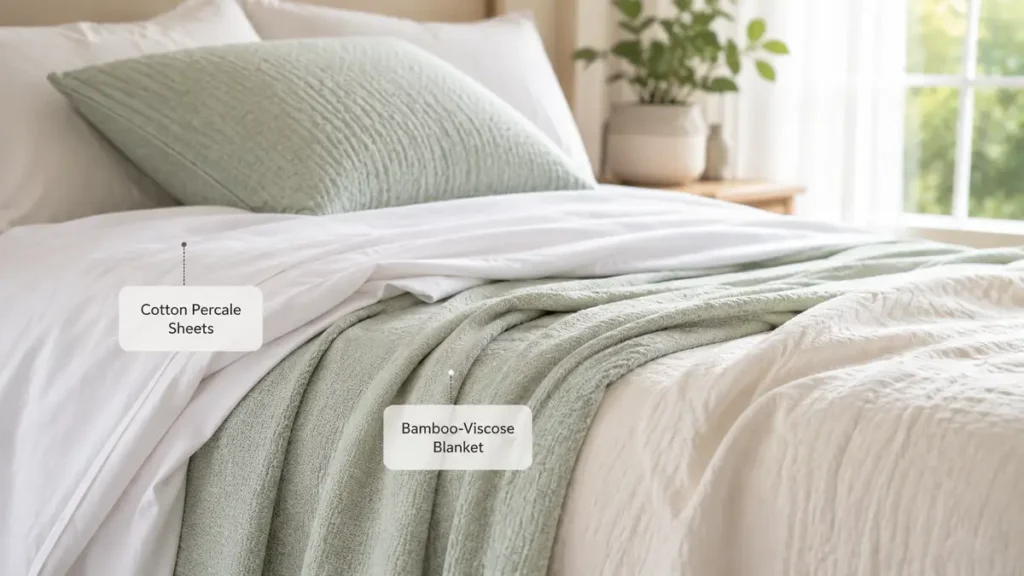
Your sheets and blankets remain in direct contact with your skin throughout the night. Synthetic fabrics like polyester, microfiber, and nylon often restrict airflow and trap warmth against the mattress.
- Cotton Percale: Crisp, lightweight, and woven in a simple crisscross pattern that lets air circulate easily through the fabric.
- Bamboo-Derived Viscose: Soft and breathable, with moisture-management properties that some sleepers may find comfortable.
- Linen: Highly durable with loose, open fibers that support continuous airflow.
Practical Tip: Use light, layered blankets rather than one thick comforter. Layering gives you the flexibility to remove a single layer during the night without exposing yourself to sudden room drafts.
2. Set Your Bedroom to a Comfortably Cool Temperature
General sleep hygiene guidelines suggest that a moderately cool room supports better rest than a warm, stuffy environment.
- Target Range: Aim for a comfortably cool bedroom, often within a commonly recommended range of 60°F to 68°F (15°C to 20°C), while adjusting the temperature to your personal comfort.
- Why It Works: A cooler environment prevents heat from building up under blankets and makes settling into sleep easier.
- If You Share a Bed: If your partner prefers a warmer space, use separate top blankets so each person can control their personal warmth level.
3. Upgrade to a Breathable Mattress Topper or Pad
Dense mattress surfaces can absorb and retain body heat over several hours. If replacing your mattress is not practical, adding a breathable topper may improve surface comfort without requiring a full mattress replacement.
- Open-Cell or Ventilated Foam: Features small air channels that allow heat to escape rather than collecting beneath you.
- Breathable Cotton Pads: Replace plastic-backed waterproof protectors with breathable quilted cotton covers that do not trap air.
- Gel-Infused Layers: Designed to distribute surface warmth more evenly across the bed.
4. Wear Loose, Moisture-Wicking Sleepwear
What you wear to bed directly influences how well your skin stays ventilated overnight.
- Natural Fibers: Loose-fitting cotton, bamboo-blend, or modal pajamas allow air to circulate around your limbs.
- Comfortable Waistbands: Avoid restrictive bands that gather heat around your core.
- Avoid Heavy Fleece: Reserve heavy synthetic flannels and fleece sleepwear for cold winter nights when heating is low.
5. Take a Lukewarm Shower Before Bed
A soothing bath or shower 60 to 90 minutes before bedtime helps you relax and prepares your body for rest.
- How It Helps: Warm or lukewarm water allows your body to gently wind down. When you step out into a cooler room, the natural evaporation helps you feel refreshed and ready to sleep.
- Avoid Cold Water: Cold showers can feel abrupt and stimulate alertness, making it harder to fall asleep peacefully.
6. Optimize Daytime and Evening Hydration
Staying adequately hydrated helps maintain overall physical comfort throughout the day and evening.
- Drink Consistently During the Day: Sip water throughout morning and afternoon hours to avoid drinking large amounts right before lying down.
- Keep a Small Water Glass Nearby: Place a small cup of cool water on your nightstand to take a quick sip if your mouth feels dry during the night.
- Limit Evening Alcohol: Alcoholic drinks can cause nighttime restlessness and lead to waking up feeling flushed or warm.
7. Improve Air Circulation With Quiet Fans
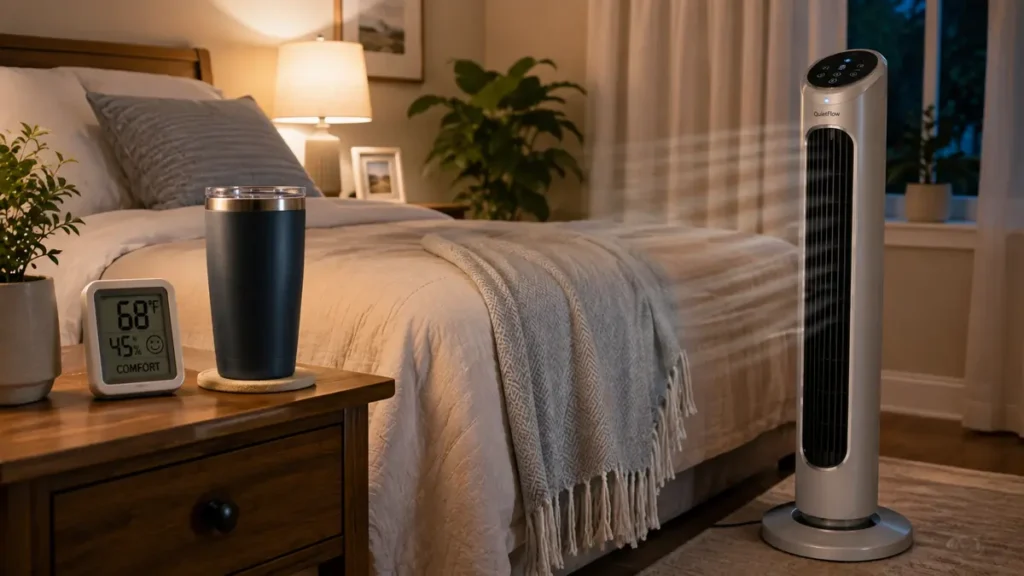
Stagnant air makes even a moderately cool bedroom feel heavy and uncomfortable.
- Ceiling Fans: Use a comfortable fan setting that creates gentle airflow without making the room or your skin feel too cold.
- Quiet Oscillating Fans: A low-decibel tower fan placed near the foot of the bed circulates air without blowing directly onto your face.
- Background White Noise: The soft, steady hum of a fan also provides subtle sound masking for neighborhood disturbances.
📖 ALSO READ: Bed Mobility Exercises for Seniors With Stiff Joints: 6 Morning Moves
Quick Comparison: Bedding Fabrics for Temperature Comfort
| Fabric Type | Breathability | Moisture Handling | Best Suited For |
| Cotton Percale | High | Moderate | Crisp, lightweight everyday comfort |
| Bamboo Viscose | High | Moderate | Soft feel and breathable comfort |
| Linen | Highest | Moderate | Maximum airflow and loose texture |
| Microfiber / Polyester | Low | Low | Budget sheets (Tends to hold warmth) |
| Flannel / Fleece | Moderate | Low | Unheated winter rooms only |
Daytime Habits That Support Nighttime Sleep Comfort
Daily routines have a direct impact on your comfort when you get into bed:
- Time Your Evening Meals: Digesting large, rich dinners can elevate internal warmth for several hours. Aim to finish larger meals 2 to 3 hours before heading to bed.
- Block Afternoon Sunlight: If your bedroom windows face direct afternoon sun, keep blinds or curtains closed during peak daylight hours to stop heat from absorbing into walls and furniture.
- Include Light Daytime Activity: Gentle daily physical activity, such as walking or chair exercises, helps establish healthy nighttime sleep habits.
📖 ALSO READ: Taking a GLP-1 After 60? 5 Ways to Protect Muscle and Stay Strong
Frequently Asked Questions
What sheet materials are recommended for seniors who get warm at night?
Naturally breathable fabrics like 100% cotton percale, bamboo-derived textiles, and linen are practical choices. They allow air to move freely, do not cling to the skin, and prevent heat from accumulating under the covers.
Why do I wake up feeling warm in the middle of the night?
Waking up warm during the night is often caused by heat-trapping mattress materials, synthetic blankets that accumulate warmth over several hours, or room air that has become still and stuffy.
When should seniors speak with a doctor about nighttime sweating?
While feeling warm due to room temperature or thick bedding is common, you should consult a healthcare provider if you experience severe, drenching night sweats that regularly soak through clothing, or if sweating is accompanied by unexplained weight loss, fever, or persistent fatigue.
Official Resources
- National Institute on Aging (NIA): A Good Night’s Sleep
- National Institute on Aging (NIA): 6 Healthy Sleep Habits for Older Adults
- National Sleep Foundation: Is Your Bedroom Too Warm? It Could Be Affecting Your Sleep
- Centers for Disease Control and Prevention (CDC): About Sleep
Disclaimer: This article is intended strictly for educational and informational purposes and does not substitute for personalized medical advice. If you experience persistent drenching night sweats or chronic sleep disruptions, consult your healthcare provider for an individualized assessment.
Educational only — not medical, legal, or financial advice. Talk to a qualified professional before changing exercise, diet, medication, or making a major purchase. After60Guide is not a medical practice.



Gaurav Sharma is the founder and lead writer of After60Guide. He writes practical, source-cited guides on movement, nutrition, home safety, and everyday living after 60. He is not a doctor, physical therapist, or financial adviser. Health and money articles are general education, checked against official public sources where relevant — not personal advice. Corrections: contact@after60guide.com