
Written by Gaurav Sharma | Researched & based on clinical guidance from the National Institute on Aging (NIA) and NIH | Last Updated: August 2026
Disclaimer: This article is intended strictly for general educational and informational purposes and does not constitute medical advice. GLP-1 medications are prescription drugs that require individualized medical supervision. Always consult your prescribing physician, endocrinologist, or a registered dietitian before making changes to your medication, dietary intake, or physical exercise routine.
GLP-1 receptor agonists and dual GIP/GLP-1 medications—including semaglutide (such as Ozempic and Wegovy) and tirzepatide (such as Mounjaro and Zepbound)—have transformed how doctors manage type 2 diabetes and metabolic health. Taking a GLP-1 after 60 comes with an added consideration: preserving lean muscle mass as you lose weight.
When losing weight, weight loss can include both fat mass and lean mass, which is why preserving muscle is an important consideration for older adults. For adults over 60, maintaining muscle strength directly supports balance, joint stability, mobility, and day-to-day physical independence.
If you or a loved one are taking a prescription GLP-1 medication under a doctor’s supervision, here are five practical, evidence-informed habits to help support your strength, nutrition, and overall well-being.
Table of Content
- Why Muscle Protection Is Essential After 60
- 1. Prioritize Protein at Every Meal (In the Right Amount)
- 2. Engage in Safe, Gentle Strength and Resistance Exercises
- 3. Maintain Steady Hydration Throughout the Day
- 4. Focus on Small, Nutrient-Dense Meals
- 5. Monitor Your Energy and Pacing
- A Helpful Guide for Caregivers and Family Members
- Final Thoughts
- Sources and References
Why Muscle Protection Is Essential After 60
When caloric intake decreases due to reduced appetite, the body may break down muscle tissue alongside fat if it isn’t getting adequate protein and physical stimulus.
According to research supported by the National Institute on Aging (NIA), maintaining muscular strength is one of the most effective ways to:
- Reduce the overall risk of trips and falls
- Maintain joint comfort in hips, knees, and ankles
- Keep daily activities—like rising from a chair or carrying groceries—feeling manageable
By focusing on intentional daily habits, you can support your body’s muscle tissue while achieving your health goals under medical guidance.
1. Prioritize Protein at Every Meal (In the Right Amount)

When appetite is reduced, every bite of food carries more nutritional importance. Protein provides the essential amino acids needed to build and repair muscle tissue.
Personalizing Your Protein Needs
There is no single universal protein target for older adults. A senior’s ideal protein intake depends on several individual factors, including body weight, activity level, and overall health status—particularly kidney function.
Important Safety Note: Older adults with pre-existing kidney conditions or reduced renal function must consult their doctor or a registered dietitian before significantly increasing their daily protein intake, as excessive protein can place extra demand on the kidneys.
If your physician approves a standard higher-protein diet, aim to eat your protein portion first during meals before you feel full.
| Gentle & Accessible Protein Sources | Protein Content (Approx.) | Why It Works Well for Older Adults |
| Plain Greek Yogurt | 15–20g per cup | Soft, easy to digest, and gentle on the stomach |
| Eggs (Scrambled or Soft-Boiled) | 6g per large egg | Simple to prepare, highly bioavailable protein |
| Cottage Cheese | 12–14g per ½ cup | Soft texture; pairs easily with soft fruits |
| Lentil or Soft Bean Soups | 8–10g per cup | Warm, hydrating, and provides plant-based protein |
| Flaked Fish (Salmon or Whitefish) | 20–25g per 3 oz | Easy to chew and rich in healthy omega-3 fatty acids |
2. Engage in Safe, Gentle Strength and Resistance Exercises
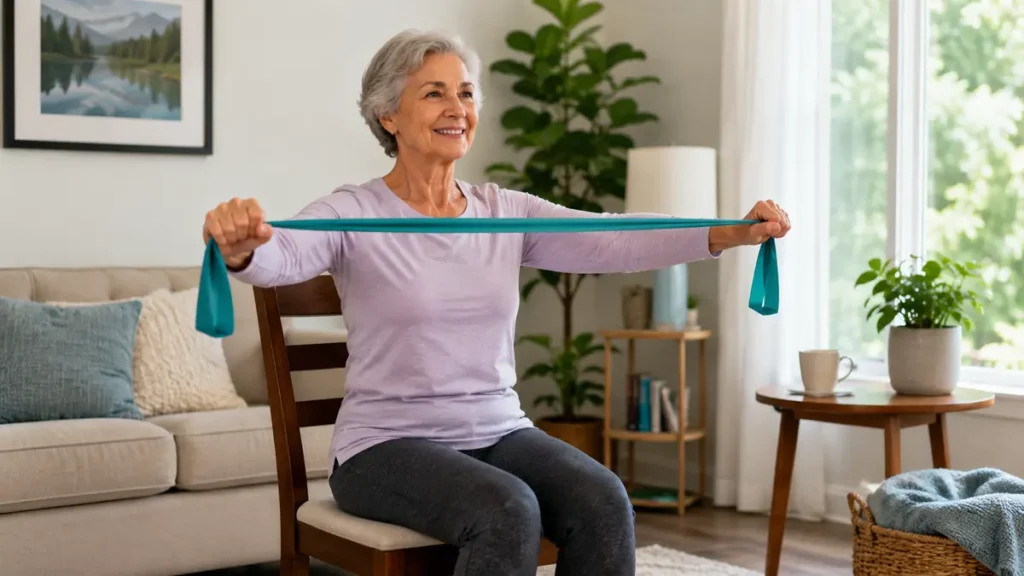
Dietary protein supplies physical building blocks, but physical activity gives your body the “signal” to preserve its muscle tissue. You do not need to lift heavy weights to see meaningful strength benefits.
Exercise Examples:
- Seated & Chair Exercises: Sitting upright in a sturdy chair while performing arm curls or leg extensions helps activate key muscle groups safely.
- Sit-to-Stand Practice: Using a stable dining chair, slowly standing up and sitting back down strengthens the thighs and glutes.
- Resistance Bands: Lightweight elastic bands offer smooth, controlled resistance for arm and chest muscles without heavy iron weights.
Critical Safety Guidelines for Exercise:
- Start slowly: Begin with an amount of activity that feels manageable and gradually increase as your strength and confidence improve.
- Use sturdy support: Always use a stable, non-folding chair or stand near a kitchen counter for support.
- Listen to your body: Stop immediately if you experience sharp pain, dizziness, lightheadedness, or unusual shortness of breath.
- Medical clearance: People with balance problems, severe arthritis, or cardiovascular conditions should ask their healthcare professional or physical therapist before starting a new exercise routine.
“Seated and chair exercises help activate key muscle groups safely. For step-by-step low-impact movement routines, read our complete guide to 10 Easy Chair Yoga Exercises for Seniors: Safe & Simple Routine at Home.”
3. Maintain Steady Hydration Throughout the Day

Because GLP-1 medications can affect appetite and may cause gastrointestinal side effects in some people, maintaining adequate fluid intake is important.
Adequate daily fluid intake is crucial for overall health, helping support digestion, body temperature regulation, and joint movement. As noted in research highlighted by the National Institutes of Health (NIH), maintaining healthy fluid balance is an integral part of healthy aging.
- Don’t wait until you’re thirsty: Keep a lightweight straw tumbler near your favorite chair so small sips are effortless.
- Try warm, comforting options: If cold water feels uncomfortable on a full stomach, switch to decaf herbal teas or low-sodium warm broths.
- Eat water-rich foods: Cucumbers, melons, squashes, and clear soups contribute directly to your daily hydration goal.
“Maintaining healthy fluid balance is an integral part of healthy aging. If you struggle to drink enough water throughout the day, check out our guide on 7 Easy Hydration Tips for Seniors for practical ways to stay hydrated without just drinking plain water.”
4. Focus on Small, Nutrient-Dense Meals
Attempting to eat a large, traditional three-course meal when appetite is suppressed can lead to abdominal fullness or mild discomfort.
Some people may find smaller, nutrient-dense meals easier to tolerate when appetite is reduced. Spacing light meals throughout the day can ensure steady nutrition without overwhelming your digestive system.
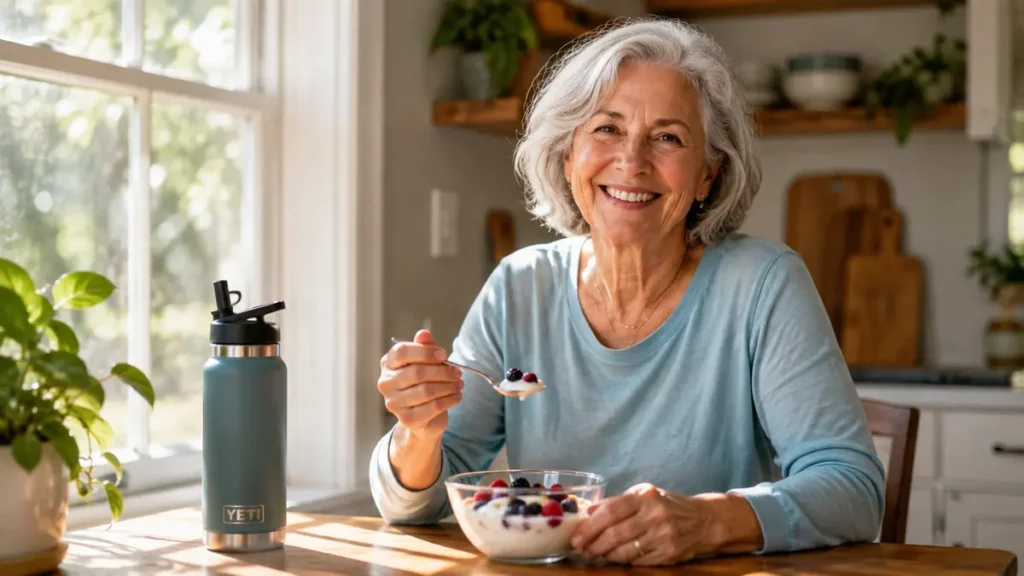
- Morning: A small bowl of Greek yogurt with a few blueberries.
- Mid-Day: A mug of warm lentil soup or a scrambled egg with soft toast.
- Afternoon: A small dish of cottage cheese or a protein smoothie.
- Evening: A small serving of baked fish with well-cooked, soft vegetables.
5. Monitor Your Energy and Pacing
Adjusting to lower daily caloric intake or experiencing mild initial side effects can temporarily lower your physical energy levels. Feeling excessively fatigued is a sign to slow down and check in on your daily routine.
- Pace your day: Break up daily household tasks into brief intervals rather than trying to do everything at once.
- Prioritize sleep: Allow yourself time for short rests to help your body adapt.
- Consult your doctor: If fatigue persists or feels overwhelming, speak with your prescribing healthcare provider. They can evaluate your health metrics, review your blood sugar, and ensure your fluid and nutrient intake are appropriate.
A Helpful Guide for Caregivers and Family Members

If you are supporting an aging parent or partner who is taking a GLP-1 medication, here is how you can help them maintain their strength:
- Prioritize Protein Quality: Focus on offering smaller portions of high-protein foods rather than worrying if they don’t finish a large plate.
- Keep Soft Foods Ready: Store easy-to-eat protein options—like pre-boiled eggs, yogurt cups, or smooth soups—at eye level in the fridge.
- Offer Gentle Reminders for Fluids: Gently encourage small sips of water, herbal tea, or warm broth throughout the day rather than encouraging large glasses all at once.
ALSO READ: How to Choose an In-Home Caregiver for Seniors
Final Thoughts
Managing health after 60 is about preserving your vitality, mobility, and everyday independence. If you are taking a GLP-1 medication under medical supervision, focusing on steady protein intake, safe movement, and consistent hydration will help ensure that weight loss supports your overall strength and well-being.
Sources and References
This article references general guidance and research directly from leading health organizations:
- National Institute on Aging (NIA): Exercise and Physical Activity Guidance for Older Adults
- National Institutes of Health (NIH): Research on Hydration and Healthy Aging
- National Council on Aging (NCOA): Nutrition and Hydration Guidance for Older Adults
Educational only — not medical, legal, or financial advice. Talk to a qualified professional before changing exercise, diet, medication, or making a major purchase. After60Guide is not a medical practice.



Gaurav Sharma is the founder and lead writer of After60Guide. He writes practical, source-cited guides on movement, nutrition, home safety, and everyday living after 60. He is not a doctor, physical therapist, or financial adviser. Health and money articles are general education, checked against official public sources where relevant — not personal advice. Corrections: contact@after60guide.com