

By Gaurav Sharma | Founder & Lead Writer
Updated: October 2026. Educational only — not a care plan, legal advice, or a price quote.
Maintaining muscle strength, steady energy, and physical stability is essential to staying independent after 60 — and finding the right high-protein foods for seniors becomes especially important as appetite naturally decreases over time.
When daily food intake drops, protein is often one of the first essential nutrients that gets missed. As we age, our bodies naturally experience gradual muscle loss (sarcopenia) and become slightly less responsive to standard protein intake. Without enough daily protein, simple tasks like carrying groceries, getting up from a low chair, or climbing stairs can slowly become more tiring.
Rather than forcing yourself to finish intimidatingly large portions, the goal is to focus on nutrient-dense, easy-to-eat protein sources that deliver steady nourishment in small, manageable servings.
Here is a practical guide to high-protein foods for seniors with smaller appetites, including daily intake guidelines, gentle kitchen swaps, and a simple sample meal plan.
Table of Contents
- How Much Protein Do Older Adults Need Daily?
- Why Protein Needs Increase After 60
- 7 Nutrient-Dense Protein Foods for Small Appetites
- Quick Reference: High-Protein Serving Guide
- Simple Ways to Boost Protein in Everyday Meals
- Common Protein Habits to Reconsider
- Sample One-Day High-Protein Menu
- Final Thoughts
- Official Resources
How Much Protein Do Older Adults Need Daily?
Geriatric nutrition experts generally recommend that healthy adults over 65 aim for 1.0 to 1.2 grams of protein per kilogram of body weight (about 0.45 to 0.55 grams per pound) each day.
- For a 150-pound (68 kg) adult: This translates to roughly 68 to 82 grams of protein daily.
- Daily Distribution: Experts suggest spreading this into 20 to 30 grams per main meal (plus a high-protein snack) to optimize muscle maintenance without overloading the stomach in a single sitting.
(Note: Individuals with chronic kidney disease or specific metabolic conditions should follow their personal physician’s individual protein targets.)
Why Protein Needs Increase After 60
Muscle tissue undergoes continuous breakdown and rebuild cycles. Because aging bodies utilize dietary amino acids slightly less efficiently, older adults generally need a slightly higher concentration of quality protein per meal to trigger muscle synthesis.
Consistently falling short on daily protein can contribute to:
- Reduced grip strength and physical stability.
- Increased afternoon sluggishness and lower daily energy.
- Slower recovery after everyday bumps, scrapes, or common seasonal bugs.
- Subtle changes in balance and posture.
Choosing soft, protein-rich foods that require little chewing helps meet these daily targets comfortably.
7 Nutrient-Dense Protein Foods for Small Appetites
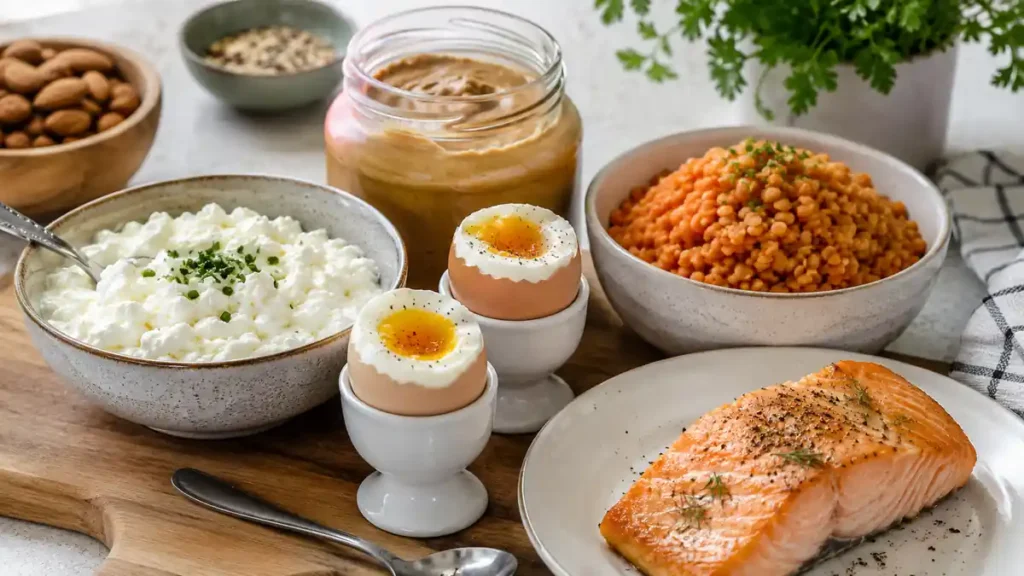
These accessible, soft staples deliver strong nutrition in small volumes:
1. Plain Greek Yogurt
Greek yogurt is strained to remove excess whey, giving it nearly twice the protein of regular yogurt in a rich, creamy texture that requires no chewing.
- Easy Tip: Choose plain whole-milk or low-fat Greek yogurt and sweeten it naturally with a spoonful of blueberries, soft banana slices, or a small drizzle of honey.
2. Soft-Cooked Whole Eggs
Eggs are an exceptionally complete and easily digestible protein source, providing high-quality amino acids alongside essential nutrients like vitamins A, D, and B12.
- Easy Tip: Prepare soft scrambled eggs with a splash of milk, gentle poached eggs on toast, or whisk an egg directly into warm vegetable or chicken broth.
3. Full-Fat or Low-Fat Cottage Cheese
Cottage cheese offers a concentration of milk proteins, primarily slow-digesting casein, making it an easy, gentle snack before bedtime or between meals.
- Easy Tip: Pair a half-cup of cottage cheese with soft canned peaches (in 100% juice), ripe melon cubes, or a sprinkle of cracked black pepper and olive oil.
4. Smooth Nut and Seed Butters
Peanut, almond, and sunflower seed butters pack healthy fats and plant-based protein into very small, calorie-dense servings.
- Easy Tip: Stir a tablespoon of smooth peanut butter into warm morning oatmeal, blend it into a smoothie, or spread it onto soft whole-grain toast.
5. Canned Flaked Fish (Salmon, Light Tuna, Sardines)
Canned seafood is soft, tender, and rich in anti-inflammatory omega-3 fatty acids. Since it comes pre-cooked, it eliminates the need for hot stovetop preparation.
📖 ALSO READ:7 Easy Hydration Tips for Seniors (Backed by NIH & NCOA)
- Easy Tip: Mix flaked salmon or tuna with a dollop of mayonnaise, mashed avocado, or plain yogurt for an effortless sandwich spread or soft salad topping.
6. Silken Tofu
Silken tofu has a gentle, custard-like consistency that blends into liquids without altering their flavor profile.
- Easy Tip: Blend a 3-ounce slice of silken tofu directly into fruit smoothies or warm vegetable purees to add 7–8 grams of plant protein invisibly.
7. Tender Cooked Lentils and Bean Soups
Legumes combine plant-based protein with gentle soluble fiber, which supports healthy digestion and steady blood sugar levels.
- Easy Tip: Choose smooth split-pea soup, well-simmered yellow or red lentil soup, or pureed bean dips rather than whole, firm beans.
Quick Reference: High-Protein Serving Guide
| Food Item | Typical Serving | Approximate Protein | Why It Works for Low Appetite |
| Greek Yogurt | 1/2 cup (120g) | 10–12 grams | Creamy, soft, requires no chewing |
| Whole Eggs | 2 large eggs | 12 grams | Versatile, fast to cook, gentle on the stomach |
| Cottage Cheese | 1/2 cup (115g) | 12–14 grams | High nutrient density in small volume |
| Peanut Butter | 2 tablespoons | 7–8 grams | Calorie- and nutrient-dense |
| Canned Salmon | 3 oz (85g) | 17–19 grams | Pre-cooked, tender texture, rich in omega-3s |
| Silken Tofu | 1/3 block (100g) | 8–9 grams | Blends smoothly into warm soups and drinks |
| Lentil Soup | 1 cup (240ml) | 9–11 grams | Warm, comforting, and easily digestible |
Simple Ways to Boost Protein in Everyday Meals
When you do not feel like sitting down to a heavy meal, small kitchen adjustments can add protein quietly:
- Cook Grains in Milk: Make morning oatmeal, cream of wheat, or porridge using dairy milk or high-protein fortified soy milk instead of plain water.
- Sprinkle Hemp Hearts or Chia Seeds: Add a tablespoon of soft shelled hemp seeds to yogurt, applesauce, or warm stews for an effortless 3-gram protein lift.
- Stir Milk Powder into Purees: Blending two tablespoons of nonfat dry milk powder into creamy soups, gravies, or mashed potatoes increases protein without adding bulk.
- Keep Ready-to-Eat Snacks Accessible: Store single-serve cheese sticks, peeled hard-boiled eggs, or small containers of hummus in the front of your refrigerator.
📖 ALSO READ:Blood Sugar-Friendly Foods for Seniors: A Practical Everyday Guide
Common Protein Habits to Reconsider
- Relying Exclusively on Toast and Tea for Breakfast: While comfortable, a simple piece of white toast with tea provides negligible protein. Adding a scrambled egg, a cheese slice, or a smear of peanut butter provides lasting energy.
- Consuming All Protein in a Single Meal: Eating a large portion of meat at dinner can feel heavy and cause indigestion. Spreading your protein intake across breakfast, lunch, and a snack supports easier absorption.
- Over-Relying on High-Sugar Commercial Shakes: Commercial meal drinks are convenient, but many varieties contain high amounts of added sugars and artificial syrups. When possible, a simple homemade blend of milk, Greek yogurt, and soft fruit offers balanced nourishment.
Sample One-Day High-Protein Menu
Here is a practical example of a senior-friendly daily routine delivering approximately 70 grams of protein across small, manageable meals:
- Breakfast (approx. 18g protein): 1 soft scrambled egg on whole-grain toast with a slice of mild cheddar cheese, paired with warm tea.
- Mid-Morning Snack (approx. 11g protein): 1/2 cup of plain Greek yogurt topped with a few soft blueberries and a drizzle of honey.
- Lunch (approx. 18g protein): 1 cup of warm lentil soup served with whole-grain crackers and a hard-boiled egg.
- Afternoon Snack (approx. 7g protein): Half a sliced ripe banana dipped in 1 tablespoon of smooth peanut butter.
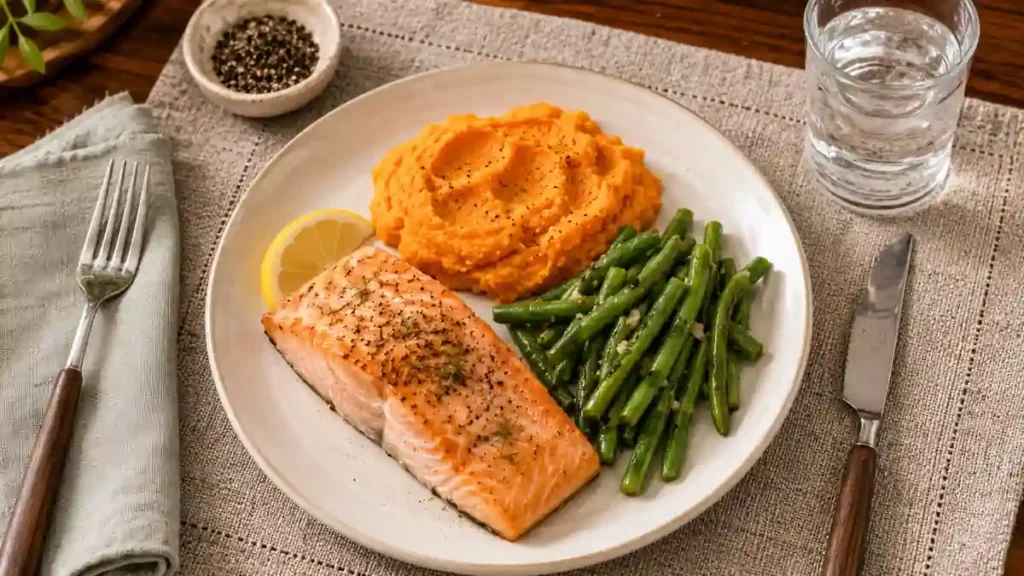
- Dinner (approx. 18–20g protein): 3 oz of soft baked salmon served with well-cooked sweet potato mash and tender steamed green beans.
📖 ALSO READ:Taking a GLP-1 After 60? 5 Ways to Protect Muscle and Stay Strong
Final Thoughts
Caring for your body after 60 does not require rigid dieting or force-feeding large portions.
When your appetite is modest, focusing on small, protein-dense foods makes all the difference. Start with one simple addition this week—like stirring Greek yogurt into your fruit bowl or using milk instead of water in your morning hot cereal. Consistent, gentle adjustments help you protect your mobility and stay active every day.
Official Resources
- National Institute on Aging (NIA): Healthy Eating As You Age: Know Your Food Groups
- USDA Nutrition.gov: Nutrition for Older Adults
- Harvard Health Publishing: How Much Protein Do You Need Every Day?
Disclaimer: This article is intended strictly for educational and informational purposes and does not replace individualized dietary or medical advice. Individuals with kidney disease, liver conditions, or other chronic health considerations should speak with their physician or a registered dietitian before modifying daily protein intake.
Educational only — not medical, legal, or financial advice. Talk to a qualified professional before changing exercise, diet, medication, or making a major purchase. After60Guide is not a medical practice.




Gaurav Sharma is the founder and lead writer of After60Guide. He writes practical, source-cited guides on movement, nutrition, home safety, and everyday living after 60. He is not a doctor, physical therapist, or financial adviser. Health and money articles are general education, checked against official public sources where relevant — not personal advice. Corrections: contact@after60guide.com