

By Gaurav Sharma | Updated September 2026 | Based on public guidance from the National Institutes of Health (NIH) and the National Council on Aging (NCOA).
Ever realized it’s been hours since your last glass of water, even though you never felt thirsty? You’re not alone, and you’re not doing anything wrong. The phone rang, a good book took over the afternoon, and the glass on the counter sat untouched. This is one of the quieter changes that comes with age, and that’s exactly where a few simple hydration tips for seniors can help.
The good news is that staying hydrated doesn’t mean forcing down eight cold glasses of water on a schedule. There are gentler, more enjoyable ways to get the fluids you need, and most of them fit into routines you already have. Below are seven of them, plus a few signs worth watching for.
One important note first: if your doctor has limited how much fluid you can drink, which is common with some heart and kidney conditions, follow their limits instead of the general advice here.
Table of Contents
- Why Hydration Gets Harder After 60
- 1. Start Your Morning With a Warm Drink
- 2. Eat Your Water
- 3. Flavor Your Pitcher Naturally
- 4. Pair Drinking With Habits You Already Have
- 5. Enjoy Herbal Teas and Warm Broths
- 6. Keep an Easy-to-Hold Cup Nearby
- 7. Adjust for the Season
- Signs You Might Need More Fluids
- A Quick Word on Fluid Restrictions
- Final Thoughts: Small Sips Add Up
- Sources
Why Hydration Gets Harder After 60
A few things shift quietly in the background as we age, and together they explain why drinking enough takes a little more attention.
Thirst signals can change. The body’s thirst response depends on noticing small changes in the blood, and that system doesn’t always work the same way later in life. Researchers are still sorting out exactly how much comes from thirst itself and how much from other age-related changes. The practical takeaway, echoed by the National Council on Aging, is simple: regular drinking habits tend to work better than waiting until you feel thirsty.
Your body holds less water in reserve. Muscle holds a lot of water, and muscle mass naturally declines with age. A smaller reserve means a slow day of drinking shows up faster.
Kidneys and fluid balance can change. This varies quite a bit from person to person, but for some people it means more water leaves the body even when intake stays the same.
Medications can play a role. Some blood pressure medicines and diuretics affect how much fluid you lose. If you take medication regularly, ask your doctor or pharmacist whether it changes your fluid needs.
Why does this matter? An NIH study that followed more than 11,000 adults for about 30 years found that people whose blood sodium sat at the higher end of the normal range, a sign of lower fluid intake, were more likely to develop chronic conditions, show signs of faster biological aging, and die younger. To be fair to the researchers: this shows an association, not proof that drinking more water prevents disease or extends life. Still, it’s a good reason to treat hydration as part of healthy aging, not just a comfort issue.
None of this means something is wrong with you. It just means the “drink when you’re thirsty” rule that worked at 30 could use a small update at 65 or 70.
1. Start Your Morning With a Warm Drink
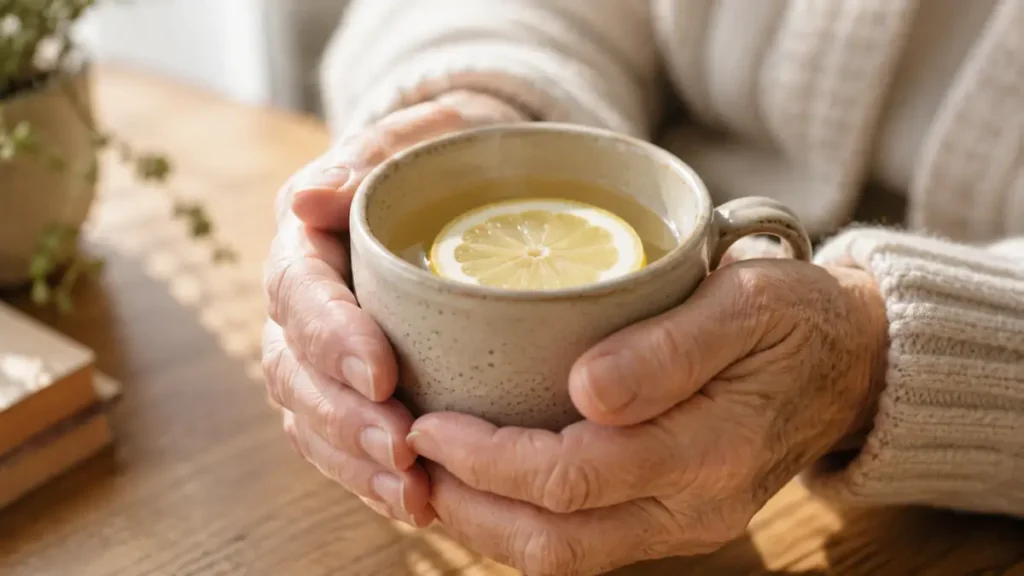
After hours without fluids, the morning is an easy time to build a habit. If a cold glass of water feels harsh first thing, try a mug of warm water with a slice of lemon, or a cup of decaf herbal tea. It’s just as hydrating and gentler on an empty stomach. Some people keep the mug right next to the coffee maker so it’s the first thing they reach for.
2. Eat Your Water
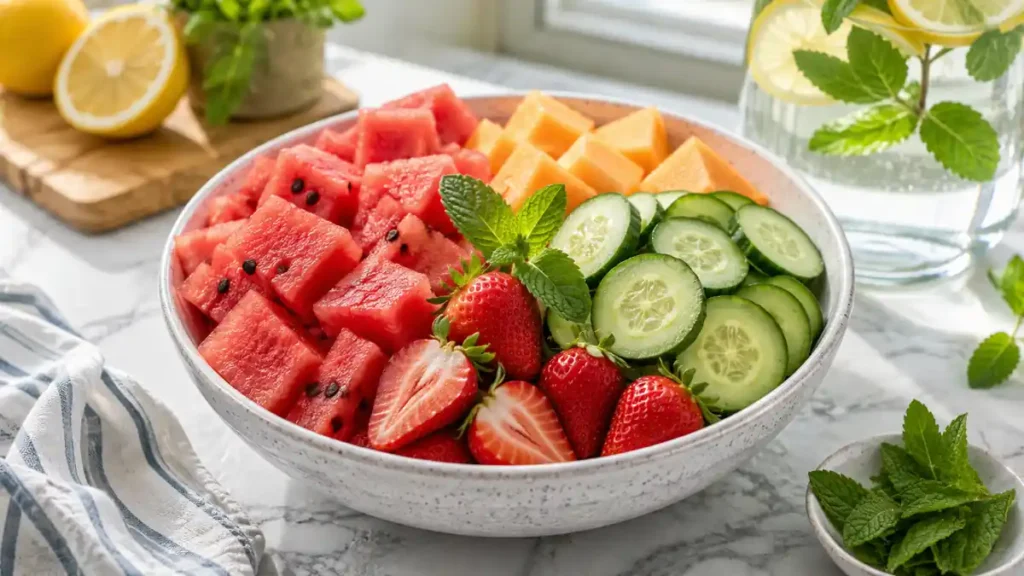
You don’t have to get every ounce from a glass. A good share of daily fluid comes from food, especially fruits and vegetables that are naturally high in water. On days when plain water feels like a chore, this is an easy and tasty backup.
| Food | Easy way to serve it |
|---|---|
| Cucumber | Thin slices with olive oil and herbs |
| Watermelon or cantaloupe | Cubed, as an afternoon snack |
| Strawberries or peaches | Sliced over oatmeal or yogurt |
| Zucchini or tomatoes | In a warm soup or light stir-fry |
| Applesauce or yogurt | A soft, easy midday snack |
You don’t need all of these every day. A few of them worked into regular meals is plenty.
3. Flavor Your Pitcher Naturally
Plain tap water gets boring fast, and boring is exactly why people quietly stop drinking it. Instead of sugary juice or flavor drops, keep a clear pitcher of infused water in the fridge. A few combinations that work well:
- Cucumber and mint, cool and crisp
- Orange and lime slices, a light citrus lift
- Apple slices and a cinnamon stick, warm and lightly sweet with no added sugar
A colorful pitcher also acts as a visual nudge. Every time you open the fridge, it’s there, asking to be poured.
4. Pair Drinking With Habits You Already Have
Trying to “remember” to drink more rarely works for long. What sticks is attaching a small glass of water to something you already do every day without thinking. This is often called habit stacking.
- Half a glass after brushing your teeth, morning and night
- A few sips while you read the paper or check the news
- A small glass before you head out for a walk or an errand
- A warm drink while you settle in for your evening show
Once drinking rides along with something automatic, you stop needing willpower for it. It also pairs nicely with other routines, like a short chair yoga session.
5. Enjoy Herbal Teas and Warm Broths
Hydration doesn’t have to be cold. For many people over 60, warm drinks are simply more comfortable, especially in cooler months or in homes with the air conditioning running.
Herbal teas like chamomile, peppermint, ginger, or hibiscus are naturally caffeine-free and easy on the system. Warm broth adds fluid plus a little comfort. If you watch your blood pressure, choose low-sodium versions.
A quick note on coffee and regular tea: NCOA points out they can have a mild dehydrating effect, so they shouldn’t be your main source of fluids. Decaf or herbal options are the gentler choice, especially in the afternoon and evening.
6. Keep an Easy-to-Hold Cup Nearby
If heavy pitchers or tight screw-cap bottles have become more trouble than they’re worth, switch. Nobody earns a medal for wrestling a stubborn cap all afternoon.
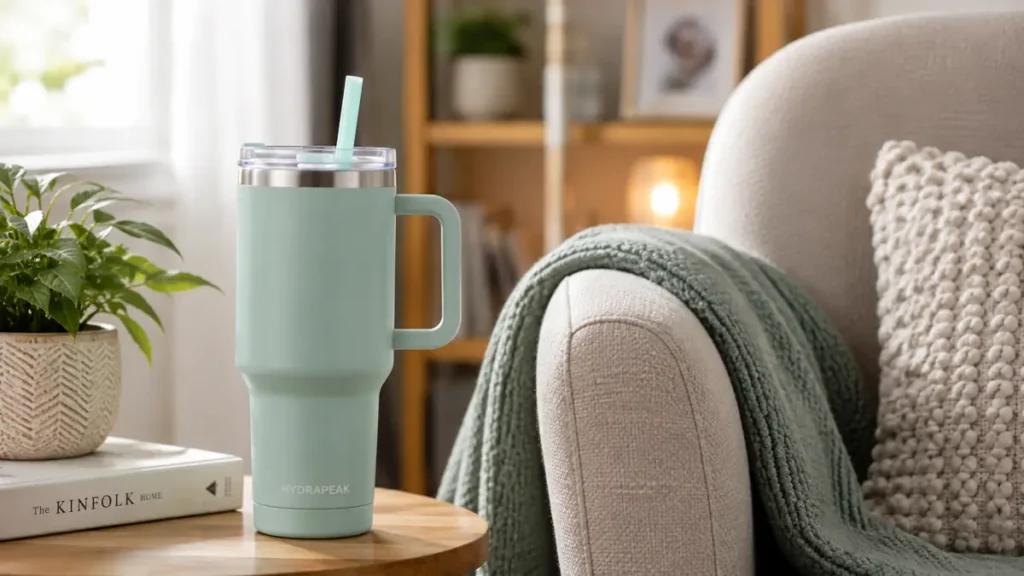
A lightweight insulated tumbler with a handle and a straw solves two problems at once. A straw means less tilting of the head and neck, which makes sipping easier while you read or watch TV. And keeping the cup on the side table by your favorite chair, instead of in the kitchen, removes the effort of getting up for every sip. The same idea of keeping the things you actually use within easy reach runs through our guide to decluttering and downsizing safely.
7. Adjust for the Season
Indoor air can dry you out just as much as a hot afternoon outside, so it helps to change your routine with the seasons.
In summer, keep sliced fruit or sugar-free popsicles in the freezer for after a walk. In winter, indoor heating strips moisture from the air, and warm broth and herbal tea are comfortable choices. A room humidifier can make dry air feel better, though it doesn’t replace drinking enough.
You don’t need to eat all of these every day. Working a few of them into your regular meals gives you another way to stay ahead of dehydration, especially on days when drinking plain water feels like a chore.
Signs You Might Need More Fluids
Because thirst isn’t always a reliable guide after 60, it helps to know a few other signals. None of these is a diagnosis on its own, but a pattern is worth noticing:
- Dark yellow or amber urine. Pale, straw-colored urine generally means you’re well hydrated.
- Dry mouth or chapped lips with no obvious cause like heat or exercise.
- Unexplained tiredness. Fatigue has many causes, but dehydration is an easily overlooked one.
- New or worsening confusion, dizziness, or lightheadedness. These can signal more significant dehydration, especially if they come on suddenly. Mention them to a doctor rather than waiting them out.
If any of these show up regularly, bring them up at your next appointment. Dizziness in particular raises the risk of a fall, so it’s a good time to review your home too. Our guide to 7 simple home safety fixes every senior should make covers easy changes.
A Quick Word on Fluid Restrictions
Everything here is general guidance for healthy older adults. If your doctor has placed you on a fluid-restricted diet, follow their specific daily limits. Personalized medical advice always comes first.
Final Thoughts: Small Sips Add Up
Staying hydrated after 60 isn’t about drinking large amounts all at once, and it was never really about willpower. It’s a handful of small, steady habits: a warm drink in the morning, a few water-rich foods through the week, and a cup within reach of your favorite chair.
Pick one or two ideas to try this week. Maybe it’s the mug of warm lemon water, or the straw cup by your chair. Small habits are far easier to keep than a big overnight change, and they build on each other. If you’re already working on other daily routines, our ideas for keeping your brain sharp after 60 fit in nicely alongside.
A note on the research: studies linking hydration to healthy aging show an association, not proof that drinking more water alone extends life or prevents disease. They’re a good reason to take hydration seriously, not a promise tied to a specific number of glasses.
Sources
- National Heart, Lung, and Blood Institute (NIH): Good hydration linked to healthy aging
- NIH Record: Good Hydration Can Promote Healthy Aging
- National Council on Aging: How to Stay Hydrated for Better Health
- National Council on Aging: Hydration for Older Adults
Disclaimer: This article is for general information and education only and is not medical advice. Please talk with a qualified healthcare provider about any medical condition, fluid restriction, or personal health routine.




Gaurav Sharma is the founder and lead writer of After60Guide. He writes practical, source-cited guides on movement, nutrition, home safety, and everyday living after 60. He is not a doctor, physical therapist, or financial adviser. Health and money articles are general education, checked against official public sources where relevant — not personal advice. Corrections: contact@after60guide.com