

By Gaurav Sharma | Founder & Lead Writer
Updated: October 2026. Educational only — not medical advice.
Medical Disclaimer: Content on After60Guide is written strictly for educational and informational purposes. It does not replace individualized medical advice, professional diagnosis, or clinical treatment plans. Always consult your primary physician or a registered dietitian before making significant changes to your daily diet, especially if you take prescription medications such as blood thinners or are managing arthritis and heart health.
Waking up with stiff fingers, an achy lower back, or that heavy feeling that your body needs an extra hour just to get moving is something many adults over 60 know all too well. It is easy to brush this off as simply “part of getting older.”
While our bodies naturally change with time, a significant portion of daily stiffness, joint discomfort, and sluggish energy is linked to something far more specific: chronic, low-grade inflammation.
When your immune system stays mildly activated around the clock, inflammation stops being a protective repair crew and starts wearing down healthy joints and tissues. The good news is that what you put on your plate every day is one of the most reliable ways to help calm that response down. Pairing these nutrient-dense meals with gentle daily movement—such as our routine on 10 Easy Chair Yoga Exercises for Seniors—can make a noticeable difference in how comfortably you move each morning.
Here is a straightforward look at what inflammation actually means after 60, followed by 12 everyday foods worth adding to your weekly kitchen routine.
What Is Inflammation, and Why Does It Worsen After 60?

Think of acute inflammation as your body’s first responder. If you stub your toe or catch a seasonal bug, your immune system rushes white blood cells to the area. It swells, heals the tissue, and clears out. That is healthy and protective.
As the years add up, factors like shifts in gut digestion, old joint injuries, long-term stress, and everyday dietary patterns can cause that immune response to stay switched on at a low, continuous level. Researchers refer to this as chronic systemic inflammation.
According to clinical reviews from Harvard Health Publishing, sustained low-level inflammation often shows up in ways seniors notice every day:
- In the Joints: Accelerates cartilage wear, making osteoarthritis stiffness and rheumatoid aches feel more persistent.
- In Blood Vessels: Contributes to arterial stiffness, placing added demand on cardiovascular health and circulation.
- In Energy & Digestion: Slows down steady nutrient absorption, often leaving you feeling drained after heavy meals.
12 Everyday Anti-Inflammatory Foods for Seniors
You do not need specialty powders or expensive superfoods. These 12 accessible staples can be found in almost any neighborhood grocery store:
1. Turmeric (Nature’s Golden Pain Reliever)

Turmeric gets its vibrant yellow color from curcumin, an active plant compound extensively studied for its antioxidant and joint-comfort properties. A broad clinical scoping review published through the National Institutes of Health (NIH/NCBI) highlights that curcumin consistently supports musculoskeletal comfort across multiple human trials.
- How to enjoy it: Stir half a teaspoon of ground turmeric into warm milk (Golden Milk), or blend it into vegetable soups and brown rice.
- Senior Kitchen Tip: Always add a small pinch of ground black pepper. Black pepper contains piperine; preliminary clinical studies suggest pairing piperine with turmeric may help the body absorb curcumin more effectively.
2. Fatty Fish (Rich in Omega-3s)
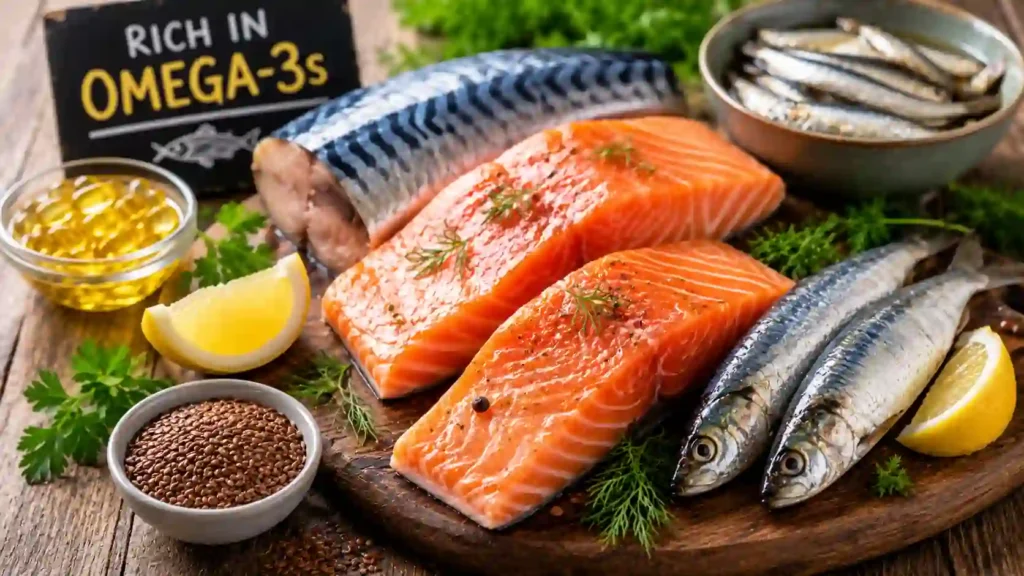
Wild salmon, sardines, Atlantic mackerel, and trout are packed with EPA and DHA—two essential omega-3 fatty acids that help temper inflammatory signals in the body. Regular intake of fatty fish is one of the most consistently backed dietary recommendations from the Arthritis Foundation.
- How to enjoy it: Baked or gently pan-seared with lemon twice a week. Avoid deep-frying, which degrades delicate omega-3 fats.
- Plant-based option: Ground flaxseeds, chia seeds, and walnuts provide ALA, a plant-based omega-3. (For more protein-rich options, check our guide to High-Protein Foods for Seniors).
3. Dark Leafy Greens (Spinach, Kale, & Swiss Chard)
Leafy greens deliver a concentrated blend of vitamin C, vitamin E, calcium, and magnesium. Magnesium in particular plays a vital role in muscle relaxation and restful sleep.
- Senior Kitchen Tip: Raw salads can sometimes feel tough to digest. Lightly steaming spinach or sautéing kale in a splash of olive oil and minced garlic softens the plant fibers and makes them gentle on the stomach.
4. Berries (Blueberries, Strawberries, & Cherries)
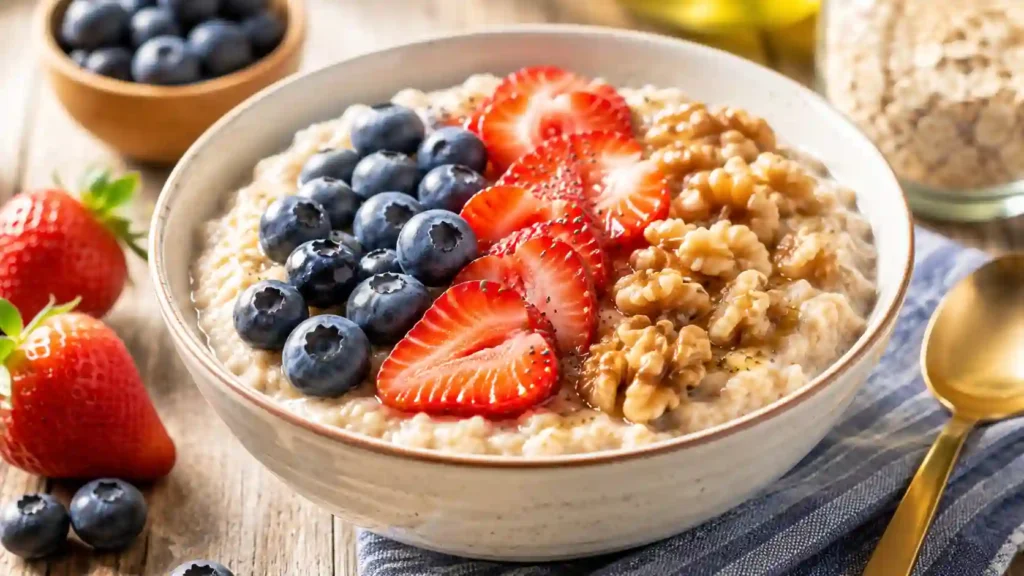
Berries get their deep blue and red hues from natural plant pigments called anthocyanins. Research documented by the Mayo Clinic highlights tart cherries in particular for their ability to help maintain healthy uric acid balance, which is especially useful for individuals prone to painful gout flare-ups.
- How to enjoy it: Fold a handful of fresh or thawed frozen berries into morning oatmeal, cottage cheese, or plain yogurt.
5. Fresh Ginger
A close botanical cousin of turmeric, ginger contains natural compounds known as gingerols. In addition to easing digestive sluggishness and nausea, ginger has a long clinical history of easing joint discomfort.
- How to enjoy it: Steep two to three thin slices of fresh ginger root in boiling water for five minutes for a soothing post-meal tea.
6. Extra Virgin Olive Oil (Healthy Mediterranean Fats)
A cornerstone of the Mediterranean diet, high-quality extra virgin olive oil contains a unique compound called oleocanthal. Research published in Nature revealed that oleocanthal acts on similar cellular pathways as low-dose ibuprofen. While olive oil is food and not a replacement for prescribed pain therapy, it is an ideal primary cooking oil for joint wellness.
- How to enjoy it: Drizzle raw extra virgin olive oil over warm vegetables, beans, or whole grains just before serving to preserve its delicate compounds.
7. Walnuts and Almonds (Bone & Brain Fuel)

Walnuts stand out as one of the few nuts exceptionally rich in plant-based omega-3s (ALA), while almonds provide vitamin E, which protects cell membranes from everyday oxidative wear.
- Senior Kitchen Tip: If whole nuts feel too hard on teeth or dental work, soak them in a small dish of water overnight. Soaking softens them noticeably while making them easier to chew and digest.
8. The Allium Family (Garlic, Onions, and Leeks)

Garlic and onions are rich in organosulfur compounds and quercetin. Laboratory studies supported by the Arthritis Foundation suggest these sulfur components help support cartilage integrity over time.
- Senior Kitchen Tip: After crushing or chopping fresh garlic, let it sit on the cutting board for 8 to 10 minutes before heating. This brief rest allows its beneficial enzymes to fully activate.
9. Green Tea
Green tea is packed with EGCG (epigallocatechin gallate), a potent polyphenol widely studied for protecting cellular health and moderating systemic inflammation.
- How to enjoy it: Enjoy one to two warm cups daily. Adding a squeeze of fresh lemon juice not only brightens the taste, but the vitamin C also helps keep the tea’s polyphenols stable during digestion.
10. Avocados

Avocados combine heart-healthy monounsaturated fats with vitamin E, soluble fiber, and plant sterols. This unique combination supports both joint flexibility and healthy skin barriers.
- How to enjoy it: Spread a quarter of a ripe avocado onto whole-grain toast or dice it into vegetable chili.
11. Cruciferous Vegetables (Broccoli, Cauliflower, & Brussels Sprouts)
These hearty vegetables contain sulforaphane, an antioxidant compound studied for its ability to block compounds that drive cartilage breakdown.
- Senior Kitchen Tip: Steam or oven-roast broccoli florets until fork-tender with a drizzle of olive oil. Soft cooking breaks down harsh fibers that can otherwise cause bloating.
12. Fermented Foods (Plain Yogurt & Kefir)

A large portion of your body’s immune system resides along your digestive tract. Consuming fermented dairy like plain yogurt or kefir delivers beneficial active cultures (probiotics) that support a balanced gut microbiome, which clinical research increasingly links to lower overall inflammation.
- How to enjoy it: Choose unsweetened, plain varieties to avoid the refined sugars found in flavored commercial yogurts.
3 Everyday Foods That Work Against Your Joints
Calming inflammation is as much about what you leave off your plate as what you put on it. These three categories are widely recognized by Harvard Health as common dietary triggers:
- Refined Sugars and Baked Sweets: Packaged pastries, sodas, and sweet snacks trigger rapid spikes in blood sugar, prompting your body to release chemical messengers called cytokines that amplify joint aches. (For balanced alternatives, see our guide on Blood Sugar-Friendly Foods for Seniors).
- Processed Delicatessen & Cured Meats: Hot dogs, bacon, and cured deli slices are prepared at high heat and packed with nitrates, forming compounds known as Advanced Glycation End-products (AGEs) that are linked to vascular and tissue stiffness.
- Repeatedly Heated Frying Oils: Fast foods fried in commercial vegetable oils often carry trans fats and degraded fats that burden your vascular system.
A Simple, Senior-Friendly 1-Day Meal Plan
| Meal | Practical Menu Idea | Anti-Inflammatory Focus |
| Breakfast | Warm rolled oats topped with blueberries, a pinch of cinnamon, and soaked walnuts | Anthocyanins & Plant Omega-3s |
| Mid-Morning | 1 cup of brewed green tea with a lemon wedge | Polyphenols (EGCG) |
| Lunch | Lentil soup with softened carrots and lightly sautéed spinach in garlic and olive oil | Dark Leafy Greens & Allium |
| Afternoon | Golden Milk (warm milk or oat milk, 1/2 tsp turmeric, pinch of black pepper) | Curcumin & Piperine |
| Dinner | Baked salmon fillet with fork-tender steamed broccoli and brown rice | Marine Omega-3s & Sulforaphane |
Frequently Asked Questions
What is the single best food to reduce inflammation in seniors?
No single food works as a cure on its own. However, regular intake of fatty fish (for EPA/DHA) and turmeric paired with black pepper (for curcumin) have some of the most consistent clinical research supporting joint comfort in older adults.
Can changing my diet replace my arthritis medication?
No. An anti-inflammatory eating pattern is designed to work alongside your doctor’s prescribed therapies, not replace them. While many adults report experiencing less morning stiffness and improved energy after 4 to 6 weeks of dietary shifts, never reduce or stop prescription medications without your doctor’s supervision.
Are these foods safe to eat every day if I take prescription medications?
For most people, whole foods in standard culinary amounts are safe and nutritious. However, certain foods and concentrated spices can interact with prescription medications—especially blood thinners like Warfarin (Coumadin).
According to clinical guidance from the National Center for Complementary and Integrative Health (NCCIH / NIH), high-dose garlic, concentrated turmeric, and high amounts of green tea or leafy greens (rich in Vitamin K) can alter blood-clotting times. Always inform your prescribing doctor or pharmacist about your daily diet and any culinary spices you plan to consume regularly in concentrated amounts.
Sources
- Harvard Health Publishing — Foods that fight inflammation
- NIH / NCBI — Curcumin Supplementation and Human Disease: A Scoping Review of Clinical Trials
- Mayo Clinic — Fighting arthritis with food
- Arthritis Foundation — The Ultimate Arthritis Diet




Gaurav Sharma is the founder and lead writer of After60Guide. He writes practical, source-cited guides on movement, nutrition, home safety, and everyday living after 60. He is not a doctor, physical therapist, or financial adviser. Health and money articles are general education, checked against official public sources where relevant — not personal advice. Corrections: contact@after60guide.com